
What Documents Are Needed for Business Funding? A Comprehensive Checklist


Introduction
Securing business funding is a crucial step for entrepreneurs looking to launch or expand their ventures. However, the process can be daunting, especially when it comes to gathering the necessary documents. Having a comprehensive checklist can streamline this process and improve your chances of approval.
Business Plan
A well-crafted business plan is essential when applying for funding. This document outlines your business goals, target market, competitive analysis, and financial projections. It serves as a roadmap for your business and demonstrates your strategic planning to potential investors or lenders.
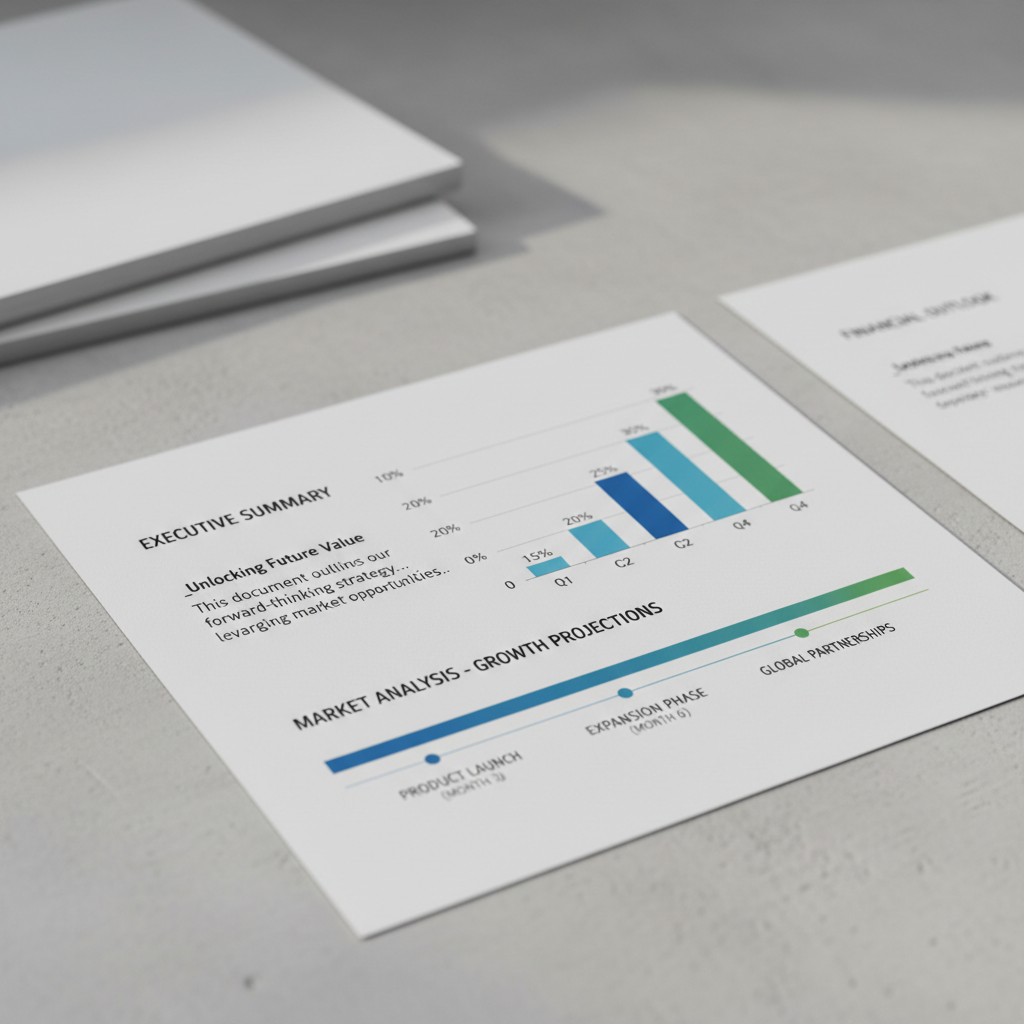
Executive Summary
Within your business plan, the executive summary provides a snapshot of your business. It should include the mission statement, product or service offerings, and a brief overview of your financial projections. This section is crucial as it often forms the first impression.
Financial Statements
Accurate and up-to-date financial statements are vital. These documents reflect your business’s financial health and are key in determining your funding eligibility. Typically, lenders will request:
- Income Statement: Shows your business’s profitability over a specific period.
- Balance Sheet: Provides a snapshot of your assets, liabilities, and equity at a particular point in time.
- Cash Flow Statement: Details the inflows and outflows of cash within your business.

Legal Documents
Legal documents are crucial to proving your business's legitimacy. These typically include:
- Business Licenses and Permits: Ensure that your business is operating legally.
- Articles of Incorporation: Establish your business as a legal entity.
- Contracts: Any significant contracts with suppliers, clients, or partners.
Credit History
Lenders often require a credit history report to assess your creditworthiness. A strong credit history can significantly enhance your chances of securing funding. Be prepared to provide both personal and business credit reports if applicable.

Collateral Documentation
If your funding requires collateral, you'll need to submit documentation proving ownership of the assets you intend to use. This might include property deeds, vehicle titles, or other asset ownership records.
Personal Information
Personal information is often necessary, especially for small businesses or startups. This can include:
- Personal Tax Returns: Typically from the past two to three years.
- Identification: Such as a driver’s license or passport.
Conclusion
Preparing these documents in advance can significantly streamline the business funding process. Being organized and thorough not only improves your chances of securing funding but also demonstrates your professionalism and commitment to your business. Ensure that all documents are up-to-date and accurately reflect your business operations to make a strong impression on potential lenders or investors.