Comprehensive Guide to Debt Consolidation: Expert Tips for NJ Residents


Debt consolidation can be a lifeline for those overwhelmed by multiple debts. By combining various debts into a single loan, you can simplify your financial life and potentially reduce interest rates. For New Jersey residents, understanding the ins and outs of debt consolidation is crucial to making informed financial decisions.

What is Debt Consolidation?
Debt consolidation involves taking out a new, larger loan to pay off several smaller debts. This process can help streamline your payments and may result in lower interest rates. It's an effective strategy for managing credit card debts, medical bills, and other unsecured loans.
By consolidating your debts, you might also improve your credit score over time, as it reduces the number of open credit accounts. However, it's essential to ensure that the new loan has better terms than the existing debts.
Types of Debt Consolidation Loans
There are several types of debt consolidation loans available:
- Personal Loans: Unsecured loans with fixed interest rates and set repayment periods.
- Home Equity Loans: Secured loans using your home as collateral, often with lower interest rates.
- Balance Transfer Credit Cards: These cards offer low or 0% interest rates for an introductory period.

Benefits of Debt Consolidation
Debt consolidation offers numerous benefits, including simplifying payments, potentially reducing interest rates, and providing a clear path to becoming debt-free. By having a single payment each month, you can better manage your budget and avoid missed payments.
Moreover, by securing a lower interest rate, you can save money over the life of the loan. This strategy is particularly beneficial if your original debts have high-interest rates.
Considerations Before Consolidating Debt
Before consolidating your debt, it's important to consider the following:
- Loan Terms: Ensure the new loan has better terms than your existing debts.
- Fees: Be aware of any fees associated with the new loan, such as origination or balance transfer fees.
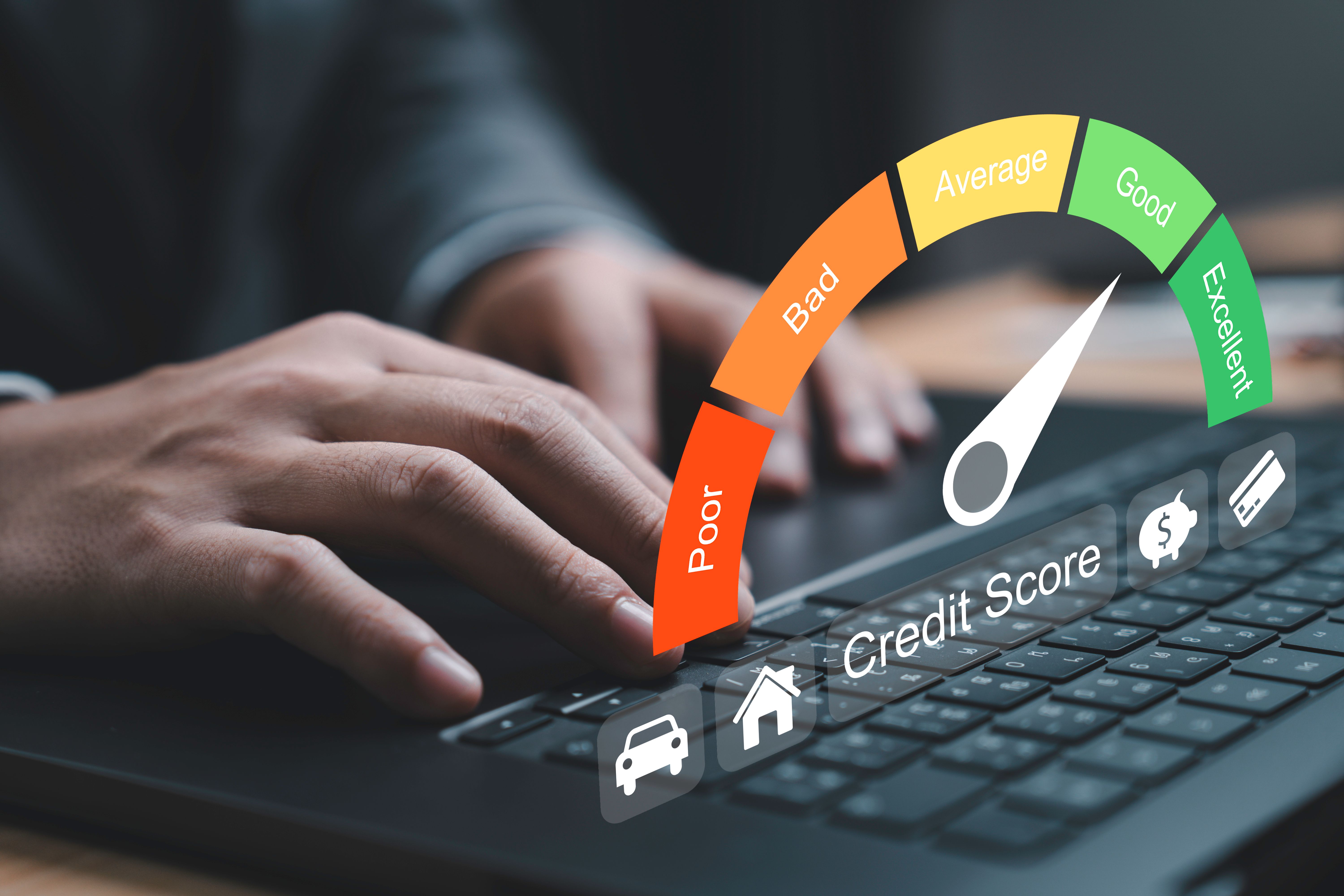
- Credit Score Impact: Check how taking out a new loan might impact your credit score.
Steps to Consolidate Debt in NJ
Follow these steps to consolidate your debt effectively:
- Assess your current debts and interest rates.
- Research different consolidation options and compare terms.
- Apply for the loan that best fits your financial situation.
- Use the loan to pay off your original debts.
- Create a repayment plan to stay on track.
By following these steps, New Jersey residents can take control of their debt and work towards financial stability.
Expert Tips for Successful Debt Consolidation
Here are some expert tips to ensure your debt consolidation is successful:
- Maintain a budget to manage your finances effectively.
- Avoid taking on new debt while repaying your consolidation loan.
- Consult with a financial advisor if you're unsure about the best approach.
Debt consolidation can be a valuable tool for managing your finances, but it's crucial to approach it with a well-thought-out plan. By understanding the options and potential pitfalls, you can make informed decisions that pave the way to a debt-free future.